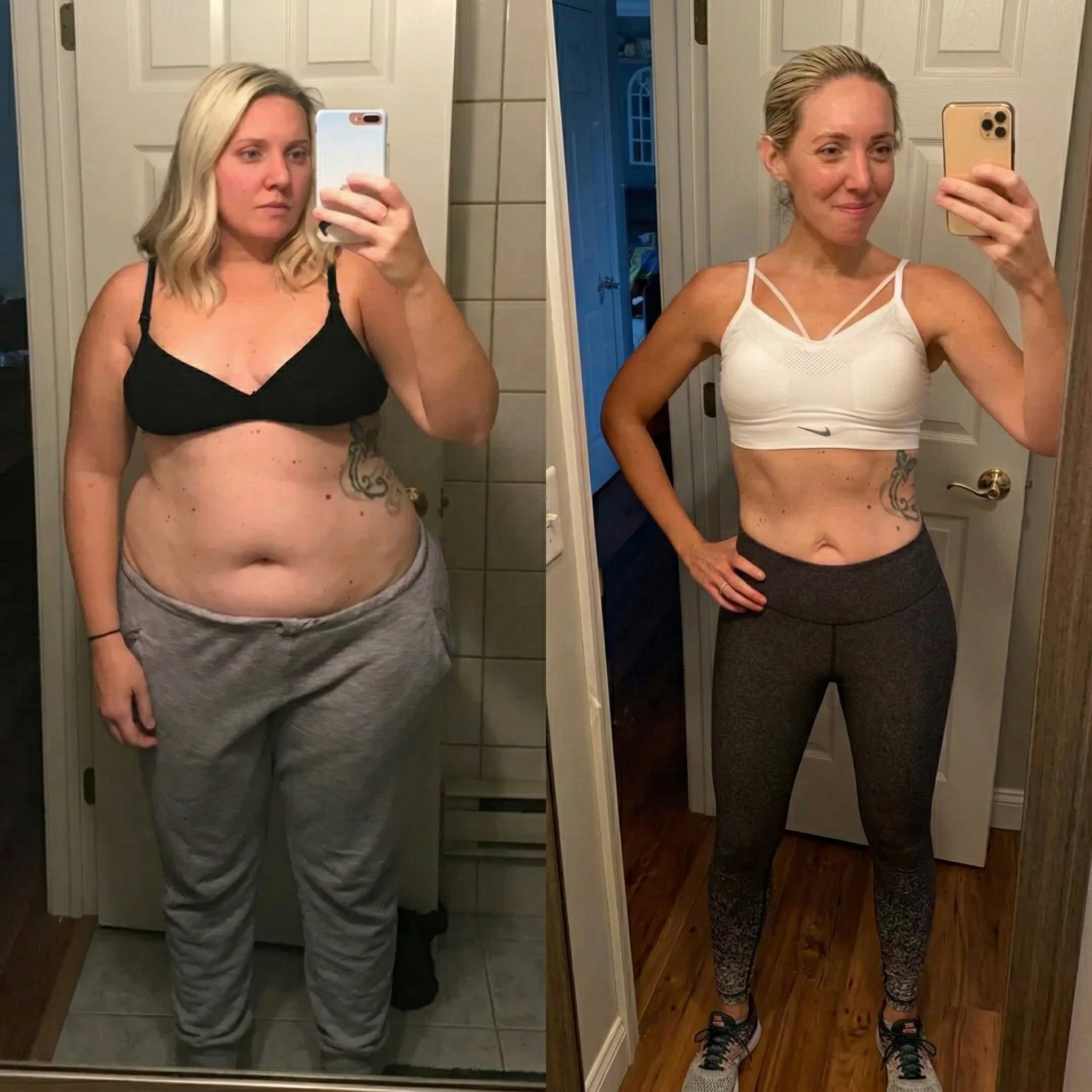
We compared 5 leading GLP-1 weight loss programs on medication access, pricing, support, and overall value.
You've tried the diets. You've done the workouts. Maybe even the supplements. And the scale still won't budge.
Yeah—we hear that a lot.
Losing weight is already hard enough. But trying to figure out which online GLP-1 program is legit? That's a whole different headache.
If you're seriously looking into prescription support, what you really need isn't another flashy sales page—it's a clear, honest way to compare GLP-1 medications, pricing, and what you'll actually get.
And that's exactly where most "comparison" sites let you down. They make things more confusing, not less.
If you've made it here, you're probably past the point of vague promises. You want something that might genuinely help you eat less, stop the cravings, and finally see real progress.
That's where GLP-1 weight loss programs come in.
These programs connect you with a licensed physician who can prescribe medications like semaglutide or tirzepatide—delivered to your door. Depending on the program, you may get weekly injections, oral options, dose adjustments, and ongoing check-ins.
For most people, the appeal is simple: stop guessing and start with a clear plan, faster access, and a real side-by-side comparison before committing.
But here's the catch...
Not all GLP-1 programs are created equal. Some hook you with a low starting price that climbs later. Some only offer injections. Some are vague about whether you're getting compounded or brand-name medication. And some just aren't transparent at all.
So we did the homework for you.
We dug into the leading GLP-1 programs we could verify in and graded them on:
Medication Access — Does the program clearly explain whether you're getting semaglutide, tirzepatide, injections, oral options, or some combination?
Pricing & Value — Are costs upfront? Do they change as your dose increases? Any hidden membership fees?
Support & Speed — How fast can you actually get started, and what kind of help do you get once treatment begins?
The results were surprisingly clear. A few looked great on the surface—but once we dug into the fine print, one program pulled ahead for balancing medication access, solid support, and straightforward pricing.
Below is our full breakdown of the Top 5 Best GLP-1 Weight Loss Medications of . You'll see exactly how they stack up, why our #1 pick earned the top spot, and what you should know before you start.
Our rankings
's Best GLP-1 Weight Loss Medications — Side by Side
Ranked by medication access, clinician support, pricing transparency, approval speed, and overall value. All pricing and claims reviewed from publicly available program information.
#1 Best Overall
Medvi
9.8/10
(500,000+ patients treated)
Start for just$149SPRING Discount Applied!
Semaglutide & Tirzepatide Options: Physician-prescribed GLP-1 medications backed by licensed clinician support from day one.
Unlimited Provider Check-Ins: Ongoing support whenever you need it throughout treatment.
Personalized Dosing: Dose titration and clinical guidance tailored to your progress.
Medication Included: Medication is included in the cost of the program.
HSA/FSA Approved: Use eligible HSA or FSA funds toward your program costs.
We Reviewed the Top GLP-1 Programs. Here's Why Medvi Earned #1
After weeks of digging into GLP-1 programs, Medvi came out as the strongest all-around option we found in . It combines access to both semaglutide and tirzepatide, transparent pricing with no hidden fees — everything included in one price, physician-guided care, and the kind of ongoing support that actually makes you feel like someone's in your corner.
We compared programs on public pricing, how clearly they explain what medication you'll get, onboarding experience, support structure, and whether they're upfront about compounded vs. brand-name options. Medvi consistently came across as the most balanced choice—especially if this is your first time exploring GLP-1 treatment.
If you're tired of programs that overpromise and underexplain, this is the one that made the strongest impression on our team.
It earned our top spot because it pairs fast onboarding with cleaner pricing language and stronger clinical support than most competitors. You'll still want to confirm specific treatment details—but Medvi gives you a better starting point for comparing injections, pills, and overall program value.
What Exactly Is GLP-1 Weight Loss Treatment?
GLP-1 treatment uses prescription medications that work with your body to reduce appetite, slow digestion, and support healthier blood-sugar patterns. The most popular options—semaglutide and tirzepatide—are now widely available through online programs when prescribed by a licensed provider.
Depending on the program, you might get weekly injections, oral medication, or a choice between compounded and brand-name formulations. The best fit depends on your goals, medical history, how you handle side effects, what's available in your area, and what fits your budget.
Ozempic®, Wegovy®, Mounjaro®, Zepbound® — What's the Difference?
If you've been researching GLP-1 medications, you've probably seen these names everywhere. Here's the quick breakdown:
Ozempic® is brand-name semaglutide, FDA-approved for type 2 diabetes. Weight loss is a well-known side effect, but prescribing it specifically for weight management is considered off-label.
Wegovy® is also semaglutide — same active ingredient as Ozempic — but FDA-approved specifically for weight loss at higher doses. If you're searching "Ozempic for weight loss," Wegovy is likely what you're actually looking for.
Mounjaro® is brand-name tirzepatide, FDA-approved for type 2 diabetes. It targets two hormone pathways instead of one, which is why some studies show stronger weight loss results. Some providers prescribe it off-label for weight management.
Zepbound® is also tirzepatide — same ingredient as Mounjaro — but FDA-approved specifically for chronic weight management.
Compounded semaglutide or tirzepatide are versions prepared by licensed compounding pharmacies, usually at a lower price. They're legally prescribed but haven't gone through the same FDA approval as brand-name drugs. If a program offers compounded medication, they should tell you clearly — if they don't, that's a red flag.
What this means for you: Brand-name and compounded options both have their place. The right choice depends on your health profile, availability, and budget. A good program will explain exactly what you're getting before you pay.
What Actually Separates A Great GLP-1 Program From A Mediocre One?
Here's what we noticed when separating the stronger programs from the ones that fell short:
Crystal-Clear Medication Info. The best programs tell you upfront whether you're getting semaglutide, tirzepatide, injections, pills, or a mix—no guessing games.
Honest Pricing. The stronger options spell out what's included — medication, shipping, provider support — with no hidden fees or surprise charges as treatment continues.
Support That Goes Beyond a Sales Page. Real provider access, side-effect guidance, dose adjustments, and practical follow-up—not just a splashy discount headline.
Fast Starts Without Cutting Corners. Speed is great, but the better programs pair quick intake with clear treatment explanations so you know what you're getting into.
Compounded vs. Brand-Name Transparency. One of the biggest red flags? Programs that don't tell you whether you're receiving an FDA-approved brand-name drug or a compounded version.
Options For Different Priorities. Some focus on lowest price, some on speed, some on clinical support—the best choice depends on what matters most to you.
Scores reflect publicly available pricing, medication clarity, support claims, and how transparently each program explains what patients will actually receive.
Medication Access: Programs scored higher when they clearly explained semaglutide vs. tirzepatide, injection vs. oral options, and treatment pathways. Grade: A
Pricing & Value: The best pages made it easy to understand what you'll actually pay—not just today, but as your treatment continues. Grade: A
Support: Access to real provider messaging, dose guidance, and follow-up care mattered far more than flashy discount banners. Grade: A
Approval Speed: Getting started fast is valuable—but only when paired with a credible review process and realistic expectations. Grade: A-
Transparency: Clear, upfront explanation of compounded vs. brand-name medication was one of the single biggest differentiators. Grade: A+
The Trade-Offs (What You Should Know First)
A few honest realities before you sign up for anything:
Results Vary — And That's Normal. Some people feel less hungry within the first week. Others need more time, dose adjustments, and consistent lifestyle changes before they see real movement on the scale.
Side Effects Are Part of the Deal. Nausea, fullness, GI discomfort, and appetite changes are common. A good program helps you manage them—not ignore them.
How GLP-1 Medications Work — And What To Watch Out For
GLP-1 medications support weight loss by working with your body's natural appetite and blood-sugar signals. For a lot of people, the biggest shift is that eating less starts to feel manageable—instead of like a daily battle of willpower.
That said, these medications aren't for everyone. A solid program should make room for questions about side effects, eligibility, how your dose will progress, and whether you're getting compounded or brand-name medication. If they don't, that's a red flag.
How To Pick The Right GLP-1 Program (And Avoid The Ones That Waste Your Money)
Don't get distracted by the headline discount. The details that actually matter: What medication are you getting? Does the program clearly discuss semaglutide or tirzepatide? How does pricing change as treatment progresses? And what kind of support do you get after you're approved?
The best programs make it easy to understand injections vs. pills, compounded vs. brand-name options, and what kind of clinical guidance you can expect if side effects or dose changes come up.
After Comparing Everything — Here's The One We'd Actually Recommend
Medvi is our #1 pick for . You get access to both semaglutide and tirzepatide, prescribed by licensed physicians with unlimited check-ins. Medication, personalized dosing, and free expedited shipping are all included — no hidden fees, no surprises.
Over 500,000 people have already started their GLP-1 journey through this program. Most get approved within minutes and have medication on the way the same week.
GLP-1 medications work by tapping into your body's natural appetite and blood-sugar signals. In practice, that means less hunger, fewer cravings, and a more realistic path to steady weight loss—especially when combined with healthier eating and movement habits.
Most programs are designed for adults who meet common BMI thresholds or have weight-related health concerns. But only a licensed clinician can determine if treatment is right for you based on your medical history, current medications, and individual risk factors.
Focus on the things that matter long-term: medication type (semaglutide vs. tirzepatide), injection vs. oral delivery, compounded vs. brand-name, how pricing changes as your dose increases, how fast you can get started, and what kind of clinical support you'll have after day one.
Semaglutide is the active ingredient behind Ozempic® and Wegovy®. Tirzepatide is behind Mounjaro® and Zepbound®. The key difference? Tirzepatide targets two hormone pathways instead of one, which many people associate with stronger appetite suppression and faster weight loss.
Brand-name drugs like Ozempic®, Wegovy®, Mounjaro®, and Zepbound® go through the full FDA approval process. Compounded versions are prepared by licensed pharmacies at a lower cost, but haven't gone through the same FDA review. Both are legally prescribed. The key question to ask any program before signing up: are you getting brand-name or compounded? If they won't answer clearly, that's a red flag.
Results vary based on your starting point, dosage, and lifestyle. In clinical trials, semaglutide averaged around 15% body weight loss over 68 weeks, while tirzepatide showed up to 20–25% in some studies. Most people notice reduced appetite within weeks, with real scale movement around months 2–3. Medication works best when paired with better nutrition and regular activity — not as a standalone fix.
Research shows many people regain weight after stopping, especially without lasting habit changes. Some providers recommend tapering the dose gradually rather than stopping cold. The important thing is to discuss a long-term plan with your provider early — ideally before you start. Any program worth paying for should have a clear answer for what happens beyond the first few months.
Many programs accept HSA and FSA payments, letting you use pre-tax dollars toward treatment. Eligibility depends on your plan and how the program bills. Before enrolling, confirm directly with the program and your benefits administrator. Programs like Medvi and AltRX explicitly list HSA/FSA eligibility — which is a good transparency signal.
Moderate drinking is generally considered okay, but alcohol can make common side effects like nausea and dizziness worse — especially early in treatment. It also adds empty calories that work against your progress. Some people on GLP-1s find their desire to drink naturally decreases. Bottom line: the occasional drink probably won't be an issue, but check with your provider based on your specific situation.
Some muscle loss is normal whenever you lose weight, regardless of method. To minimize it, focus on getting enough protein and doing resistance training 2–3 times per week. Some studies suggest GLP-1 medications may cause slightly more muscle loss than dieting alone, which makes strength training even more important. The goal isn't just to weigh less — it's to be leaner and stronger.
For weekly injections like semaglutide or tirzepatide, if you remember within a few days, take it as soon as you can and continue your regular schedule. If it's been too long, skip it and wait for your next scheduled dose. Never double up. Missing one dose won't derail your progress, but staying consistent gives you the best results. Set a phone reminder if you tend to forget.
500,000+ people already started their GLP-1 journey this way.
See if the same plan could work for you.
Consumer Health Research Editor
Emily Carter
Editorial review
Emily specializes in consumer health reviews, with a focus on pricing transparency, medication clarity, and whether programs actually deliver what they promise. Her work covers GLP-1 weight loss medications, prescription accessibility, and helping readers cut through marketing noise to make informed decisions.